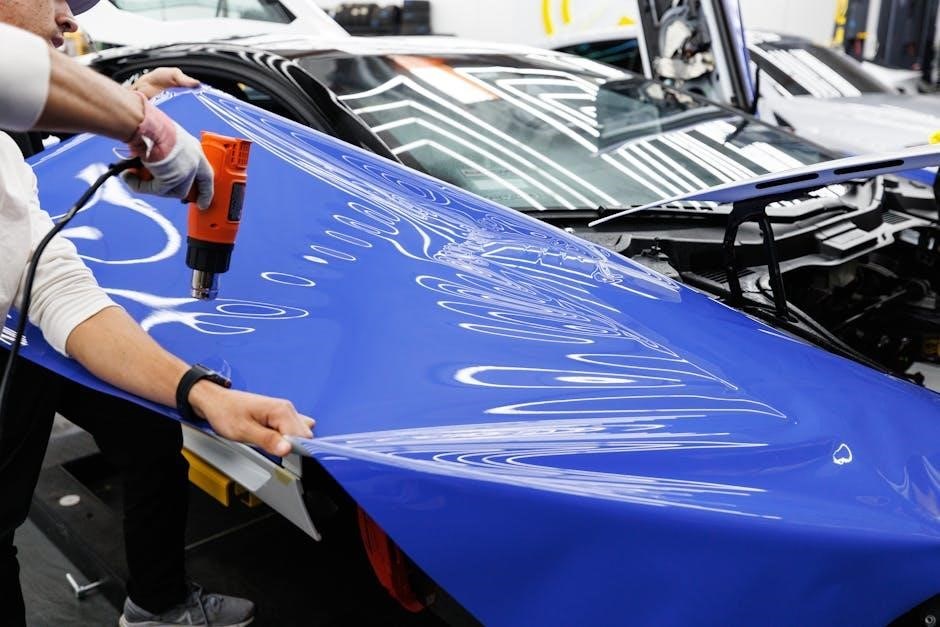
Heat pressing vinyl involves applying heat and pressure to adhere designs onto fabrics, offering durability and a professional finish. Precise heat press temperature guide vinyl settings are crucial for success.
What is Heat Transfer Vinyl (HTV)?
Heat Transfer Vinyl (HTV) is a versatile, polyurethane-based material used for creating custom designs on various fabrics. Unlike traditional vinyl, HTV features a heat-activated adhesive on its back, allowing it to bond securely to textiles when heat and pressure are applied using a heat press. Different types of HTV exist, each requiring specific heat press temperature guide vinyl settings for optimal adhesion.
Common HTV varieties include standard, glitter, flock, stretch, and patterned vinyls. Understanding the composition of each type is vital, as it directly impacts the necessary temperature, time, and pressure needed during the heat pressing process. Proper selection and application ensure a long-lasting, vibrant design.
Why Use a Heat Press for Vinyl Application?
While a household iron can be used, a heat press provides consistent, even heat and pressure – critical for successful HTV application and adhering to a precise heat press temperature guide vinyl. This consistency ensures a durable bond, preventing peeling or cracking after washing. Heat presses offer precise temperature control, unlike irons which fluctuate, potentially damaging the vinyl or fabric.
Furthermore, heat presses significantly reduce application time and effort. They allow for repeatable results, essential for production runs. The even pressure distribution guarantees full vinyl adhesion, especially important for intricate designs or larger areas. Investing in a heat press elevates the quality and efficiency of your vinyl projects.

Understanding Heat Press Settings
Heat press settings – temperature, time, and pressure – work together to create a lasting bond. Following a reliable heat press temperature guide vinyl is essential.
Temperature: The Core of Vinyl Adhesion
Temperature is arguably the most critical element in successful heat transfer vinyl application. It directly impacts the adhesive’s activation, determining how well it bonds with the fabric fibers. A heat press temperature guide vinyl typically recommends a range of 140°C to 185°C (284°F to 365°F), but this varies significantly based on the vinyl type.
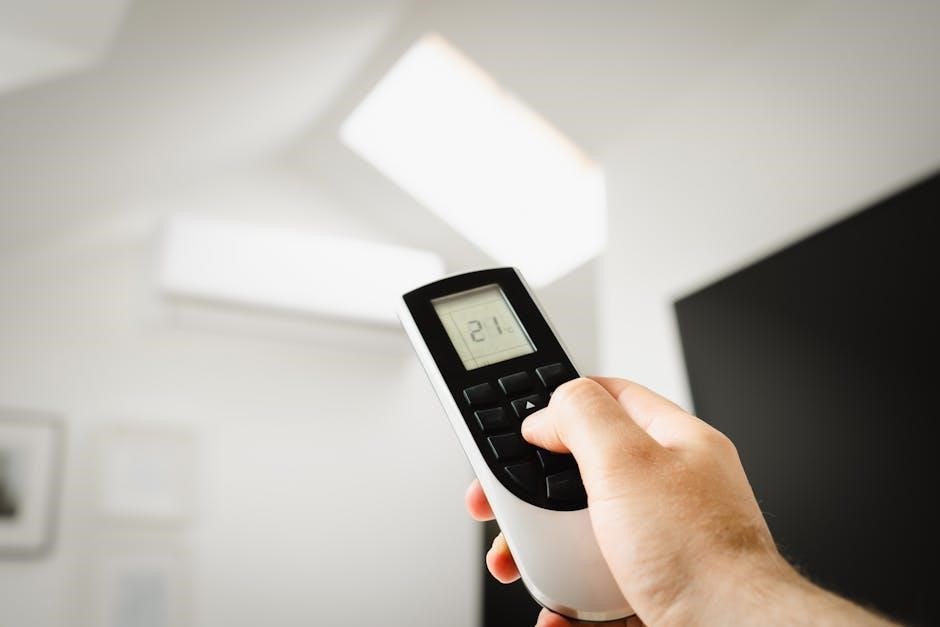
Insufficient temperature results in weak adhesion, leading to peeling after washing. Conversely, excessive heat can scorch the fabric or cause the vinyl to bubble and distort. Precise temperature control, guided by the vinyl manufacturer’s recommendations, ensures optimal melting and bonding of the adhesive, creating a durable and long-lasting design. Always pre-heat your garment for a few seconds to remove moisture!
Time, alongside temperature, is a key component of successful vinyl adhesion. The duration of heat application allows the adhesive to fully melt and penetrate the fabric fibers, creating a strong bond. A typical heat press temperature guide vinyl suggests dwell times between 10 to 30 seconds, but this is heavily dependent on the vinyl type and fabric composition.
Too short a duration won’t allow sufficient bonding, while excessively long times can lead to scorching or damage to both the vinyl and the fabric. Finding the “sweet spot” requires testing and referencing the vinyl manufacturer’s guidelines. Consistent pressure throughout the timed application is also vital for even heat distribution and optimal results.
Pressure: Achieving Optimal Bond
Pressure is the third critical element in heat pressing, working in tandem with temperature and time to ensure a lasting bond. A heat press temperature guide vinyl will often specify pressure levels as light, medium, or high, but these are subjective. Consistent, even pressure is paramount; uneven pressure results in inconsistent adhesion.
Insufficient pressure prevents the adhesive from fully contacting the fabric, leading to peeling. Conversely, excessive pressure can distort the design or damage the material. Most heat presses offer adjustable pressure settings, allowing for fine-tuning. It’s recommended to start with medium pressure and adjust based on the vinyl type and fabric, always testing a small area first to confirm optimal settings.

Vinyl Types and Temperature Guides
Different vinyl types—standard, glitter, stretch, and flock—require varying heat press temperature guide vinyl settings for optimal adhesion and a professional, lasting result.
Standard HTV Temperature & Settings
Standard Heat Transfer Vinyl (HTV) is the most versatile and widely used type, making it an excellent starting point for beginners. Generally, a heat press temperature guide vinyl recommends settings around 185°C (365°F) for approximately 15 seconds with medium to high pressure.
However, always refer to the specific HTV manufacturer’s instructions, as slight variations can occur. Testing a small sample piece is highly recommended before committing to a full design. Proper temperature ensures the adhesive melts and bonds effectively with the fabric fibers, creating a durable and long-lasting application. Consistent pressure distributes heat evenly, preventing bubbling or lifting. Remember to use a Teflon sheet or parchment paper to protect both the vinyl and the heat press platen.
Glitter HTV Temperature & Settings
Glitter HTV, due to its thicker composition and glitter particles, requires slightly adjusted settings compared to standard vinyl. A reliable heat press temperature guide vinyl suggests a temperature range of 150-160°C (300-320°F), with a dwell time of 15-20 seconds and medium to firm pressure.
It’s crucial to use a higher pressure to ensure the glitter adheres fully and doesn’t flake off after washing. A cover sheet is essential to protect the heat press and prevent glitter from sticking to the platen. Hot or warm peel is typically recommended, but always check the manufacturer’s guidelines. Lower temperatures prevent scorching the glitter and maintain its sparkle. Testing is vital, as glitter HTV varies in thickness and glitter particle size.
Stretch HTV Temperature & Settings
Stretch HTV, designed for garments with high elasticity like sportswear and swimwear, demands specific heat press temperature guide vinyl considerations. Recommended settings generally fall within 150-165°C (300-325°F), with a pressing time of 10-15 seconds, and medium pressure.
The key is to allow the vinyl to move with the fabric without cracking or peeling. A Teflon sheet is highly recommended to protect both the vinyl and the heat press. Typically, a cold peel is advised for stretch HTV, allowing the adhesive to fully set as the fabric cools. Always test a small sample first, as variations in vinyl formulation exist. Proper settings ensure durability through repeated stretching and washing.
Flock HTV Temperature & Settings
Flock HTV, known for its velvety texture, requires a slightly different approach within a comprehensive heat press temperature guide vinyl. Optimal settings typically range from 150-160°C (300-320°F), with a pressing duration of 12-18 seconds, and medium to high pressure. A cover sheet is essential to prevent the flock from adhering to the heat platen.
Warm peels are generally recommended for flock HTV, allowing a partial cooling period before carefully lifting the carrier sheet. Avoid excessive heat or prolonged pressing times, as this can scorch the flock fibers. Testing a small area is crucial, as different flock types may require minor adjustments. Proper application ensures a soft, durable, and visually appealing finish.
Fabric-Specific Temperature Adjustments
A reliable heat press temperature guide vinyl must account for fabric composition; cotton, polyester, and blends each demand unique temperature and time settings for optimal adhesion.
Cotton Fabric Heat Press Settings
Cotton fabrics generally require a robust heat application for successful vinyl adhesion. A heat press temperature guide vinyl for cotton typically recommends a temperature range of 305°F (152°C) to 320°F (160°C).
Pressing time usually falls between 15-20 seconds, utilizing medium to high pressure. However, thicker cottons, like sweatshirts, may benefit from slightly increased time – up to 25 seconds – and pressure. Always pre-press the cotton fabric for 5-10 seconds to remove moisture and wrinkles, ensuring a smoother surface for vinyl application.
Consistent temperature is key; monitor your heat press to maintain accuracy. Following a reliable heat press temperature guide vinyl will minimize issues like vinyl lifting or scorching the fabric.
Polyester Fabric Heat Press Settings
Polyester fabrics, unlike cotton, have a lower melting point, demanding careful heat press temperature guide vinyl adherence. Recommended temperatures generally range from 305°F (152°C) to 315°F (157°C). Exceeding this range risks melting or scorching the polyester fibers.
Pressing times are typically shorter, around 10-15 seconds, with medium pressure. A lower temperature and shorter duration are crucial to prevent damage. Pre-pressing polyester for 5 seconds is still recommended, but be mindful of the heat sensitivity.
Always test a scrap piece of polyester first to confirm optimal settings. A reliable heat press temperature guide vinyl is essential for achieving a durable bond without compromising the fabric’s integrity.
Blended Fabrics Heat Press Settings
Blended fabrics, combining different fiber types, require a balanced heat press temperature guide vinyl approach. Settings depend heavily on the dominant fiber – cotton/polyester blends are common. Start with a temperature around 305°F (152°C) to 320°F (160°C), erring on the lower side if polyester content is high.
Pressing times typically fall between 15-20 seconds, utilizing medium to firm pressure. Pre-pressing the fabric for a few seconds removes moisture and wrinkles. Always prioritize the more heat-sensitive fiber when determining settings.
Testing on a scrap piece is crucial with blends. A reliable heat press temperature guide vinyl, combined with careful observation, ensures a strong, lasting bond without fabric damage.

Peel Methods: Hot, Warm, and Cold
Peel methods – hot, warm, or cold – dictate when to remove the carrier sheet after pressing, impacting vinyl adhesion and preventing lifting.
Hot Peel: Immediate Removal
Hot peeling involves removing the carrier sheet immediately after lifting the heat press. This method is typically recommended for certain vinyl types, like standard HTV, when using specific temperature settings – often around 185°C (365°F).
However, successful hot peeling relies heavily on precise timing and temperature control. If the vinyl hasn’t fully bonded, attempting a hot peel can result in the design lifting with the carrier sheet. It’s crucial to test a small area first to confirm proper adhesion.
Carefully and swiftly lift a corner of the carrier sheet while the garment is still hot. If the vinyl remains firmly in place, continue peeling smoothly. If any resistance is felt, stop immediately and repress for a few more seconds before attempting again.
Warm Peel: Cooling Before Removal
Warm peeling offers a balance between immediate removal and allowing full cooling. This technique involves peeling the carrier sheet after a short cooling period – typically a few seconds to a minute after lifting the heat press. It’s often suggested for glitter HTV and some standard vinyls, utilizing temperatures around 150-160°C (302-320°F).
The slight cooling allows for better vinyl adhesion without the risk of burning yourself during immediate removal. However, it’s still vital to test a corner before fully peeling. If the vinyl lifts, repress briefly.
Warm peeling provides a more forgiving window than hot peeling, reducing the chances of lifting the design. Consistent temperature and a gentle, even peel are key to achieving a clean result.
Cold Peel: Allowing Full Cooling
Cold peeling is recommended for many standard heat transfer vinyls, particularly when using lower temperatures – around 150°C (302°F) or less. This method requires complete cooling of the pressed area, often taking several minutes, before attempting to remove the carrier sheet. Patience is crucial for a successful application.
Allowing the vinyl to fully cool ensures a strong bond between the vinyl and the fabric fibers. A slow, deliberate peel is essential to prevent lifting or tearing. This technique minimizes the risk of distorting the design or damaging the material.
Cold peeling is often favored for intricate designs or when working with sensitive fabrics, providing a reliable and clean finish.
Troubleshooting Common Heat Press Issues
Troubleshooting often involves adjusting heat press temperature guide vinyl settings; incorrect temperatures cause adhesion failures or fabric scorching, requiring careful recalibration.
Vinyl Not Sticking
Vinyl not sticking is a frequent issue, often stemming from incorrect heat press temperature guide vinyl application. Insufficient heat prevents the adhesive from properly bonding with the fabric fibers. Double-check your temperature settings against the vinyl manufacturer’s recommendations; a lower temperature than required is a common culprit.
Also, verify adequate pressure is being applied – insufficient pressure hinders complete contact. Ensure the fabric surface is smooth and free of wrinkles or debris, as these can create barriers. Finally, confirm the correct peel method (hot, warm, or cold) is being used, as premature peeling can disrupt the bond. A test press on scrap fabric is always recommended.
Vinyl Peeling After Washing
Vinyl peeling after washing indicates an incomplete bond, frequently linked to improper use of a heat press temperature guide vinyl. Insufficient heat or pressure during the initial application is a primary cause. Ensure the recommended temperature and pressure for the specific vinyl type and fabric are strictly followed.
Also, verify the vinyl is a high-quality HTV designed for durability. Turning garments inside out before washing, using a mild detergent, and avoiding harsh chemicals or bleach can significantly extend the vinyl’s lifespan. A thorough initial press, allowing sufficient cooling before peeling, is vital for a lasting adhesion. Re-pressing may help, but often indicates an initial flaw.
Burn Marks on Fabric
Burn marks on fabric are a clear sign of excessive heat, highlighting the importance of a precise heat press temperature guide vinyl. Using a temperature setting too high for the fabric type will scorch or even melt the fibers. Always start with the manufacturer’s recommended temperature for both the vinyl and the fabric, and test on a scrap piece first.
Protect your fabric by using a Teflon sheet or parchment paper between the vinyl and the heat press platen. Ensure even pressure distribution across the entire design. Be mindful of dwell times; prolonged heating exacerbates the risk of burning. Lowering the temperature slightly and increasing the pressing time can sometimes mitigate this issue.

Safety Precautions for Heat Pressing
Heat presses reach high temperatures; always use caution! Keep the work area clear, protect surfaces, and avoid flammable materials when following a heat press temperature guide vinyl.
Protecting Your Work Area
Prior to initiating any heat transfer vinyl project, meticulous preparation of your workspace is paramount. Given the high temperatures involved – as dictated by any heat press temperature guide vinyl – safeguarding your surroundings is crucial. Begin by ensuring a spacious, well-ventilated area, free from flammable materials like paper or aerosols.
Protect your work surface with a heat-resistant mat or protective covering, as heat presses can damage tables or countertops. Be mindful of flooring; some vinyl or linoleum can discolor under intense heat. Stable placement of the heat press itself is vital to prevent accidents. Finally, keep a fire extinguisher nearby as a precautionary measure, even though proper operation minimizes risk.
Handling the Heat Press Safely
Operating a heat press requires strict adherence to safety protocols, especially considering the temperatures outlined in any heat press temperature guide vinyl. Always allow the heat press to fully heat up and cool down before handling or adjusting it. Utilize heat-resistant gloves to protect your hands from burns when opening the press or handling heated materials.
Never leave a heated heat press unattended. Be aware of the hot surfaces and avoid accidental contact. Keep the work area clear of obstructions and ensure stable footing while operating the machine; Regularly inspect the power cord for damage and avoid using the press near water or damp surfaces. Prioritize caution and mindful operation at all times.
No Responses