South Korea Tour Guide: A Comprehensive Plan
South Korea beckons with vibrant culture and history, increasing demand for skilled tour guides to enhance visitor experiences and navigate evolving travel requirements․
South Korea has rapidly emerged as a premier global tourism destination, captivating visitors with its unique blend of ancient traditions and cutting-edge modernity․ From the bustling streets of Seoul to the serene landscapes of Jeju Island, the country offers a diverse range of experiences․ The growing interest in Korean culture – fueled by the global phenomenon of K-Pop and Korean dramas – has significantly boosted tourism numbers․
However, navigating a new country, especially one with a distinct language and customs, can be challenging․ This is where the expertise of a knowledgeable tour guide becomes invaluable․ They bridge cultural gaps, provide insightful commentary, and ensure a seamless and enriching travel experience․ A well-informed guide can truly unlock the wonders of South Korea․
Why Hire a Tour Guide in South Korea?
Hiring a tour guide in South Korea offers numerous advantages, particularly for first-time visitors․ Guides expertly navigate language barriers, ensuring clear communication and deeper cultural understanding․ They provide access to hidden gems and local insights often missed by independent travelers․ For those valuing privacy, a private tour delivers an exclusive and personalized experience․
Furthermore, guides handle logistical complexities, from transportation to ticketing, allowing you to fully immerse yourself in the journey․ Whether traveling with family, seeking adventure, or simply desiring a leisurely exploration of Korean culture, a guide enhances every aspect of your trip, creating lasting memories․
Types of Tours Available
South Korea offers a diverse range of tours to suit every traveler’s preference․ Private tours provide customized itineraries and dedicated attention, ideal for families or those seeking exclusivity․ Group tours are a cost-effective option, fostering camaraderie and shared experiences․ Beyond these basics, specialized tours cater to niche interests․
Explore the DMZ for a poignant historical perspective, indulge in a culinary tour discovering Korean gastronomy, or immerse yourself in the world of K-Pop with dedicated fan experiences; These specialized options offer unique insights and unforgettable adventures, ensuring a tailored journey through this dynamic country․
Private Tours
Private tours in South Korea offer an unparalleled level of personalization and flexibility․ Ideal for families, couples, or individuals desiring a bespoke experience, these tours are crafted around your specific interests and pace․ Enjoy the undivided attention of a dedicated guide, allowing for in-depth exploration and spontaneous detours․
Whether you seek historical immersion, culinary adventures, or cultural discoveries, a private tour ensures a seamless and intimate journey․ Prioritize privacy and exclusivity while discovering South Korea’s beauty at your leisure, creating lasting memories tailored precisely to your preferences․

Group Tours
Group tours in South Korea present a cost-effective and sociable way to experience the country’s highlights․ These tours typically follow a pre-planned itinerary, encompassing popular attractions and cultural landmarks․ They’re perfect for solo travelers or those seeking a ready-made social environment․
Benefit from the expertise of a knowledgeable guide and the camaraderie of fellow explorers․ Group tours often include transportation, accommodation, and some meals, simplifying logistics; While offering less flexibility than private tours, they provide excellent value and a convenient introduction to South Korea’s diverse offerings․
Specialized Tours (DMZ, Culinary, K-Pop)
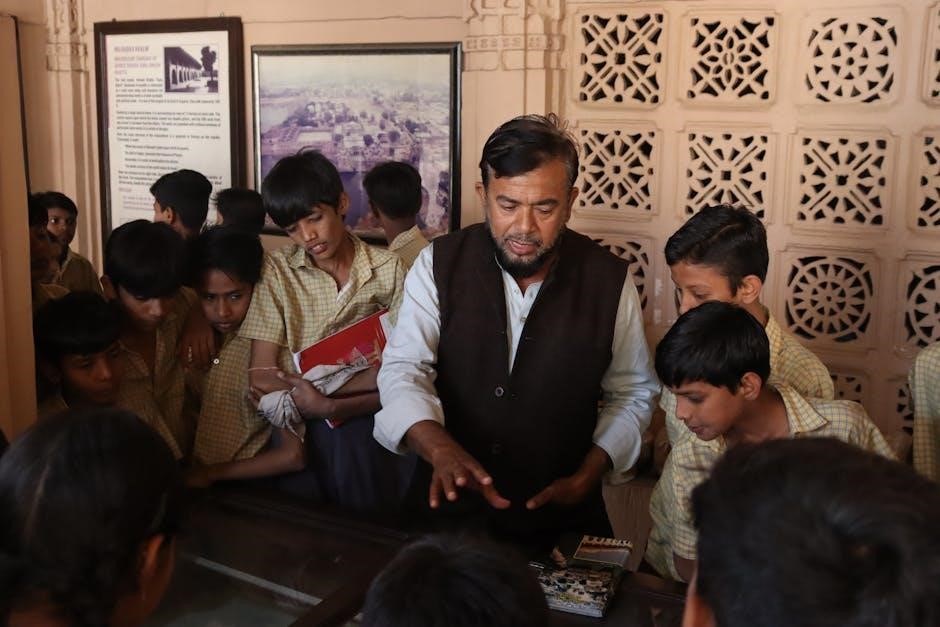
South Korea caters to niche interests with specialized tours․ DMZ tours offer a poignant glimpse into the Korean War and divided peninsula, providing historical context and a unique perspective․ For foodies, culinary tours delve into the vibrant world of Korean cuisine, from street food to royal court dishes․
K-Pop tours are a must for fans, offering visits to entertainment agencies, studios, and potential idol sightings․ These focused experiences provide deeper immersion than general sightseeing․ Whether exploring political history, gastronomic delights, or the K-Pop phenomenon, specialized tours deliver unforgettable adventures․
Essential Travel Documents & Requirements (as of 01/01/2026)
As of January 1st, 2026, a valid passport is crucial, remaining valid throughout your entire stay in South Korea․ Foreign nationals require either a K-ETA (Korea Electronic Travel Authorization) or a visa for entry․ The K-ETA is generally simpler for short-term visits from eligible countries․

Visa-free entry schemes for transfer passengers have been reinstated, offering convenient options․ Always verify the latest requirements with official sources before travel, as regulations can change․ Ensure compliance to avoid entry denial and enjoy a seamless journey to South Korea․
Passport Validity
Maintaining a valid passport is paramount for entry into South Korea․ As of January 1st, 2026, your passport must be valid for the entire duration of your intended stay․ Immigration officials strictly enforce this rule, and travelers with expiring passports risk being denied boarding or entry․
It’s highly recommended to have at least six months of validity remaining beyond your planned departure date, providing a buffer for unforeseen circumstances․ Ensure your passport is in good condition, free from damage, and has sufficient blank pages for entry stamps․ Double-check these details before your trip!
K-ETA (Korea Electronic Travel Authorization)
The K-ETA (Korea Electronic Travel Authorization) is a crucial requirement for many visitors entering South Korea․ It’s an electronic travel permit that must be obtained before your trip․ Currently, citizens of eligible countries can apply online for a K-ETA, and approval is generally quick․
However, it’s vital to apply well in advance of your travel dates to avoid potential delays․ A K-ETA is typically valid for multiple entries within a two-year period․ Remember to verify if your nationality requires a K-ETA or a traditional visa for entry into Korea․
Visa Requirements
Visa requirements for South Korea depend heavily on your nationality and the purpose of your visit․ Many countries enjoy visa-free entry for short-term tourism or business trips, but it’s essential to confirm your eligibility before traveling․ If a visa is required, applications must be submitted to a Korean embassy or consulate in your home country;

The process can take several weeks, so early application is crucial․ The Korean government occasionally reinstates visa-free entry schemes for transfer passengers, so checking for updates is recommended․ Always verify the latest requirements with official sources before your trip․
Popular Tourist Destinations
South Korea boasts diverse attractions, captivating travelers with its blend of ancient traditions and modern marvels․ Seoul, the dynamic capital, offers historical palaces, bustling markets, and cutting-edge technology․ Coastal Busan entices with its beautiful beaches, fresh seafood, and vibrant film festivals․
For nature enthusiasts, Jeju Island presents stunning volcanic landscapes, hiking trails, and unique cultural experiences․ These destinations provide a glimpse into the heart of Korean culture, offering unforgettable adventures for every type of traveler․ A knowledgeable guide enhances exploration․
Seoul: Historical and Modern Attractions
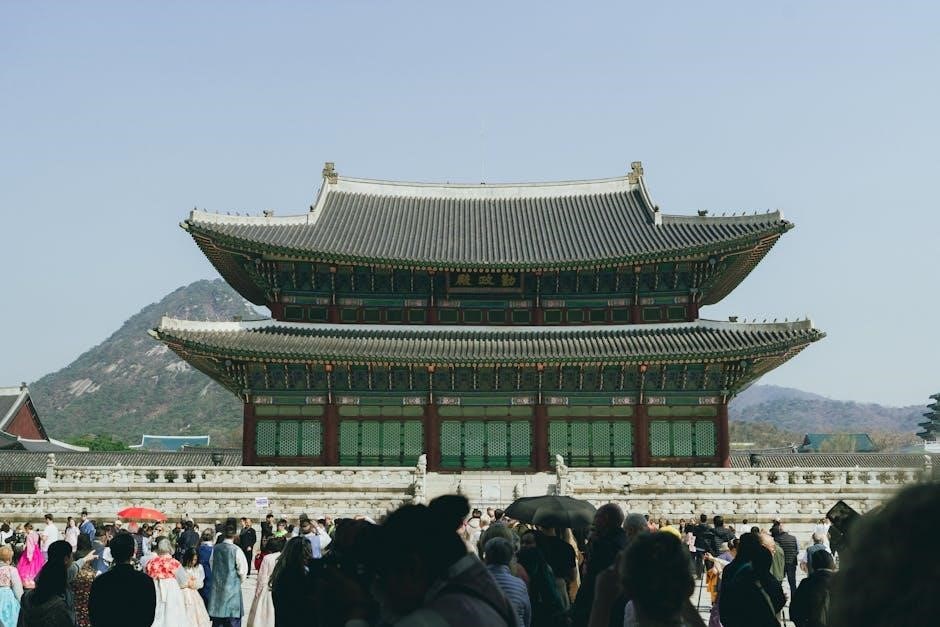
Seoul seamlessly blends its rich history with a futuristic vibe, offering a captivating experience for visitors․ Explore majestic palaces like Gyeongbokgung and Changdeokgung, immersing yourself in Joseon Dynasty heritage․ Wander through the vibrant Bukchon Hanok Village, showcasing traditional Korean houses․
Contrastingly, discover the modern energy of Myeongdong’s shopping streets and the innovative Dongdaemun Design Plaza․ A tour guide can navigate these diverse attractions, providing historical context and insider tips, ensuring a memorable Seoul adventure․

Busan: Coastal City & Seafood
Busan, South Korea’s second-largest city, is a captivating coastal destination renowned for its stunning beaches and fresh seafood․ Haeundae Beach offers relaxation, while Gamcheon Culture Village presents colorful, artistic charm․ Jagalchi Fish Market is a must-visit for seafood lovers, experiencing the bustling atmosphere and diverse marine delicacies․
A knowledgeable tour guide can enhance your Busan experience, navigating the markets, recommending the best seafood restaurants, and sharing insights into the city’s maritime history and vibrant culture, creating an unforgettable coastal journey․
Jeju Island: Natural Beauty & Volcanic Landscapes
Jeju Island, a UNESCO World Heritage site, is celebrated for its breathtaking natural beauty and unique volcanic landscapes․ Hallasan Mountain, South Korea’s highest peak, offers challenging hikes and panoramic views․ Manjanggul Lava Tube, one of the longest lava tubes in the world, provides an otherworldly experience․
A skilled tour guide can expertly navigate Jeju’s diverse terrain, revealing hidden gems, explaining the island’s geological history, and ensuring a safe and enriching exploration of its stunning natural wonders, making your visit truly memorable․
Understanding Korean Etiquette & Customs
Navigating South Korean social customs is crucial for a respectful and immersive travel experience․ A knowledgeable tour guide can illuminate these nuances, from proper bowing techniques and gift-giving protocols to dining etiquette and addressing elders․ Understanding concepts like ‘nunchi’ (reading the room) and avoiding direct confrontation are key․
Your guide will help you avoid unintentional offense, fostering positive interactions with locals and deepening your appreciation for Korean culture, ensuring a smoother and more rewarding journey throughout the country․
Language & Communication Tips
While English is spoken in tourist areas, learning basic Korean phrases significantly enhances interactions and demonstrates respect․ A skilled tour guide acts as a vital translator, bridging communication gaps and ensuring smooth navigation of daily life․ They can also teach you essential phrases like greetings, thank yous, and polite requests․
Beyond words, understanding non-verbal cues is important․ Your guide will explain appropriate body language and help you avoid misunderstandings, fostering genuine connections with locals and enriching your overall travel experience․
Transportation Options in South Korea
South Korea boasts an incredibly efficient and modern transportation system․ A knowledgeable tour guide will expertly navigate this network, utilizing options like the extensive subway systems in cities like Seoul and Busan․ Buses are also readily available, connecting various regions, though can be more challenging for non-Korean speakers․
Taxis and ride-sharing services provide convenient, albeit potentially more expensive, alternatives․ Your guide can assist with hailing taxis or using ride-sharing apps, ensuring safe and reliable transport throughout your journey, maximizing your time exploring․
Public Transportation (Subway, Buses)
South Korea’s public transport is remarkably efficient, forming the backbone of travel for both locals and tourists․ A skilled tour guide will leverage this system, particularly the subway networks in major cities like Seoul, which are clean, safe, and incredibly extensive․ Buses complement the subway, reaching areas not directly served by rail․
Navigating the bus system can be tricky without Korean language skills; your guide will assist with routes and fares․ Utilizing T-money cards simplifies payment across both subways and buses, offering convenience and potential discounts․
Taxis & Ride-Sharing Services
South Korea offers readily available taxi services, categorized by color indicating service level and fare․ A knowledgeable tour guide can assist with hailing taxis and ensuring fair pricing, especially for foreign visitors․ While generally reliable, language barriers can sometimes pose a challenge; your guide will facilitate communication with drivers․
Ride-sharing services like Kakao T are increasingly popular, providing a convenient alternative to traditional taxis․ However, availability may vary depending on location and time of day․ Your guide can expertly integrate these options into your itinerary for seamless transportation․
Accommodation Options
South Korea presents a diverse range of lodging, catering to every budget and preference․ From luxurious five-star hotels in bustling Seoul to traditional hanoks (Korean houses) offering a cultural immersion, a tour guide can curate options aligning with your travel style․
Budget-conscious travelers will find plentiful guesthouses and hostels, while business travelers often favor internationally-branded hotels․ Your guide can navigate booking platforms, ensuring convenient locations and amenities․ Consider exploring unique options like temple stays for a truly unforgettable experience, expertly arranged by your knowledgeable guide․
Food & Drink: A Culinary Journey
South Korea’s cuisine is a vibrant explosion of flavors, and a tour guide unlocks its secrets! From sizzling Korean BBQ and spicy tteokbokki to comforting bibimbap and fresh seafood in Busan, prepare for a delightful adventure․ Your guide can navigate menus, explain dishes, and recommend authentic local eateries․

Don’t miss trying traditional teas and experiencing makgeolli (rice wine)․ A skilled guide understands dietary restrictions and preferences, ensuring a safe and enjoyable culinary exploration․ They can even arrange cooking classes, allowing you to recreate these delicious flavors at home!
Hiring a Tour Guide: What to Look For
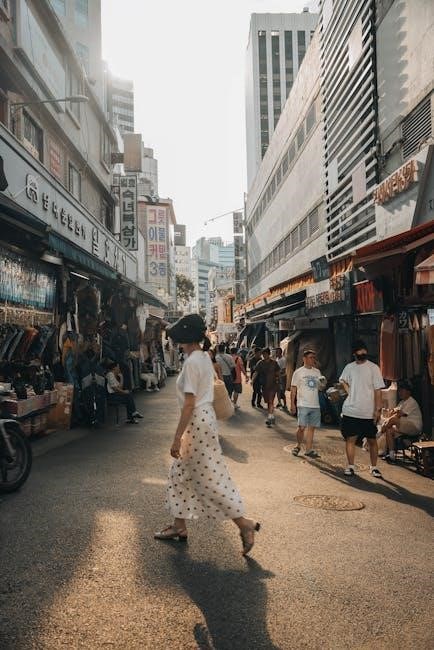
When seeking a South Korea tour guide, prioritize experience and qualifications․ Look for guides with in-depth knowledge of Korean history, culture, and current events․ Excellent communication skills are crucial, ensuring clear explanations and engaging storytelling․ A good guide adapts to your interests – whether it’s history, K-Pop, or culinary delights․
Consider their licensing and certifications․ Verify they understand safety protocols and can handle emergencies․ A reputable guide offers personalized itineraries and transparent pricing․ Read reviews and ask for references to gauge their reliability and professionalism․ Ultimately, find someone who can truly enhance your Korean adventure!
Tour Guide Requirements & Qualifications
Becoming a licensed South Korea tour guide involves specific requirements․ Fluency in Korean and at least one foreign language (typically English) is essential․ Candidates must pass a national exam administered by the Korea Tourism Organization, covering history, culture, and tourism laws․
The exam assesses knowledge of major attractions, etiquette, and emergency procedures․ Ongoing training and certification updates are often required to maintain licensure․ Furthermore, demonstrating strong communication, interpersonal skills, and a passion for sharing Korean heritage are vital․ Employers may also seek guides with specialized knowledge, like DMZ access or culinary expertise․
Cost of Hiring a Tour Guide
The cost of hiring a tour guide in South Korea varies significantly․ Private tours generally range from $100 to $500+ per day, depending on the guide’s experience, tour duration, and inclusions․ Group tours are more affordable, typically costing $50 to $150 per person for a full-day experience․
Specialized tours, such as DMZ or culinary adventures, may command higher rates․ Utilizing an Employer of Record (EOR) like Asanify can add associated legal employment costs․ Factors influencing price include language skills, transportation, and entrance fees․ Negotiating rates and clarifying inclusions beforehand is recommended․
Safety & Health Considerations
South Korea is generally a very safe country for tourists, with low crime rates․ However, it’s crucial to remain vigilant against petty theft, especially in crowded areas․ Travelers should verify current health advice and services before and during their trip, as information can change․
Ensure you have adequate travel insurance covering medical emergencies․ Access to healthcare is excellent, but costs can be high without insurance․ Stay informed about any travel advisories issued by your government․ Be aware of potential seasonal health risks and take necessary precautions․
Money & Currency Exchange
The official currency of South Korea is the South Korean Won (KRW)․ Credit cards are widely accepted in major cities and tourist areas, but smaller establishments may prefer cash․ It’s advisable to notify your bank of your travel plans to avoid card blocks․
Currency exchange is readily available at airports, banks, and designated exchange booths․ Comparing exchange rates is recommended to secure the best deal․ ATMs are prevalent, but international transaction fees may apply․ Tipping is not customary in South Korea, and attempts to tip may be politely refused․
Staying Connected: SIM Cards & Wi-Fi
Staying connected in South Korea is remarkably easy․ Free Wi-Fi is widely available in public spaces, cafes, and many accommodations․ For consistent connectivity, consider purchasing a local SIM card upon arrival․ Several providers offer tourist SIMs with data packages, eliminating roaming charges․
Alternatively, portable Wi-Fi egg devices (pocket Wi-Fi) can be rented at the airport or online, providing a personal hotspot․ Ensure your phone is unlocked before traveling to use a local SIM․ eSIM options are also increasingly available for compatible devices, offering a convenient digital solution․
Emergency Contacts & Resources
In case of emergencies during your South Korea trip, several resources are readily available․ For police assistance, dial 112․ For fire or ambulance services, dial 119․ The Korea Tourism Organization (KTO) offers a 24/7 hotline at +82-1330, providing support in multiple languages․
The Hi Korea website (hikorea․go․kr) is a valuable resource for travelers, offering information on various aspects of travel in Korea․ Registering with your embassy is advisable, allowing them to assist in critical situations․ Familiarize yourself with the location of the nearest hospital and understand basic Korean phrases for emergencies․
Packing Essentials for South Korea
When preparing for your South Korea adventure, prioritize comfortable walking shoes, as you’ll explore extensively․ Pack adaptable clothing layers suitable for varying weather conditions, considering seasonal changes․ A universal adapter is crucial for charging electronics, given Korea’s voltage․
Don’t forget essential medications with prescriptions, alongside a basic first-aid kit․ A portable charger will keep your devices powered during long days of sightseeing․ Consider bringing a reusable water bottle to stay hydrated and reduce plastic waste․ Finally, a small Korean phrasebook or translation app can greatly enhance your interactions․
Responsible Tourism in South Korea
Embrace responsible tourism by respecting local customs and traditions during your South Korea visit․ Support local businesses and artisans, contributing directly to the community’s economic well-being․ Minimize your environmental impact by reducing waste, conserving water, and utilizing public transportation whenever possible․
Be mindful of cultural sensitivities, particularly regarding noise levels and personal space․ Learn a few basic Korean phrases to demonstrate respect and facilitate interactions․ Consider participating in eco-friendly tours and activities that prioritize sustainability․ Leave no trace behind, preserving Korea’s natural beauty for future generations․
Future Trends in South Korea Tourism
South Korea’s tourism sector is poised for growth, driven by Hallyu (Korean Wave) and evolving traveler preferences․ Expect increased demand for personalized and immersive experiences, facilitated by knowledgeable tour guides․ Sustainable tourism practices will gain prominence, with eco-friendly tours and responsible travel options becoming more popular․
Technological advancements, like AI-powered travel apps and virtual reality tours, will enhance the visitor experience․ Niche tourism segments, such as wellness retreats and culinary adventures, will continue to expand․ The DMZ tours will likely remain a significant draw, alongside growing interest in regional destinations beyond Seoul and Busan․
No Responses