
FD150 Credit Card Terminal Manual PDF: A Comprehensive Guide
Discover essential guidance for the FD150 terminal, including setup, transaction processing, troubleshooting, and security—all within a downloadable PDF manual for seamless operation․
The FD150 credit card terminal represents a robust and versatile payment solution designed for businesses of all sizes․ This comprehensive guide serves as your primary resource for understanding and effectively utilizing the terminal’s capabilities․ Whether you’re a seasoned merchant or new to electronic payment processing, this manual will walk you through every aspect of the FD150, from initial setup and network connectivity to processing various transaction types – including swipes, chip inserts, and contactless payments․
Furthermore, we’ll delve into advanced features like reporting, voids, refunds, and customizing terminal settings․ Security and PCI compliance are paramount, and this guide provides crucial information to protect both your business and your customers’ sensitive data․ Accessing the official PDF manual ensures you have the latest information and support․
What is the FD150 Credit Card Terminal?
The FD150 is a multi-functional payment terminal engineered to accept a wide array of payment methods․ It supports traditional magnetic stripe cards, EMV chip cards for enhanced security, and contactless NFC payments like Apple Pay and Google Pay․ Designed for reliability and ease of use, the FD150 streamlines the checkout process for both merchants and customers․
This terminal is often utilized in retail environments, restaurants, and service-based businesses․ Its compact design and intuitive interface make it adaptable to various point-of-sale setups․ The accompanying PDF manual provides detailed instructions on maximizing the FD150’s features and ensuring secure transaction handling․
Key Features and Benefits
The FD150 boasts several key advantages for businesses․ It offers fast and secure transaction processing, reducing wait times and building customer trust․ Its compatibility with multiple payment types—magstripe, EMV, and NFC—increases sales opportunities․ The terminal’s user-friendly design minimizes training time for staff, improving operational efficiency․
Furthermore, the FD150 often includes robust reporting features, allowing merchants to track sales data and identify trends․ The downloadable PDF manual details how to access and interpret this valuable information․ Enhanced security features protect against fraud, and PCI compliance ensures data safety․

Getting Started with Your FD150
Begin your journey with a simple unboxing, power-on sequence, and network connection—guided by the FD150 manual PDF for a smooth setup․
Unboxing and Initial Setup
Carefully unpack your FD150 terminal, verifying all components are present – the terminal itself, power adapter, user manual (or a link to the PDF), and potentially a test card․ Before powering on, inspect for any physical damage sustained during shipping․ The initial setup, detailed within the FD150 manual PDF, typically involves inserting the power adapter and connecting the terminal to a stable surface․
Ensure proper ventilation around the device․ The manual will guide you through any preliminary configuration steps, such as language selection or date/time settings․ Familiarize yourself with the terminal’s physical layout, noting the card reader, display screen, and keypad․ Refer to the PDF for diagrams and illustrations to aid in this process, ensuring a correct and efficient start․
Powering On and Basic Navigation
To power on the FD150, locate the power button – its position is clearly illustrated in the terminal’s manual PDF․ Upon startup, the device will initiate a self-test․ Basic navigation relies on the keypad and display screen․ The manual details how to use the directional buttons to move through menus and select options․
Learn to access the main menu, typically by pressing a designated ‘Menu’ or ‘Option’ key․ The FD150 manual PDF provides screenshots of the menu structure, aiding in understanding the available functions․ Practice navigating to settings, reports, and transaction history to become comfortable with the interface before processing live transactions․
Connecting to Network (Ethernet/Wi-Fi)
The FD150 terminal requires a network connection for transaction authorization․ The manual PDF provides detailed instructions for both Ethernet and Wi-Fi setups․ For Ethernet, simply connect an Ethernet cable to the terminal and your network router․ The terminal should automatically obtain an IP address․
For Wi-Fi, access the network settings through the terminal’s menu, as illustrated in the manual PDF․ Select your Wi-Fi network from the list and enter the password․ Ensure a strong signal for reliable connectivity․ The manual also includes troubleshooting steps for common network issues, like failed connections or weak signals․
Processing Transactions
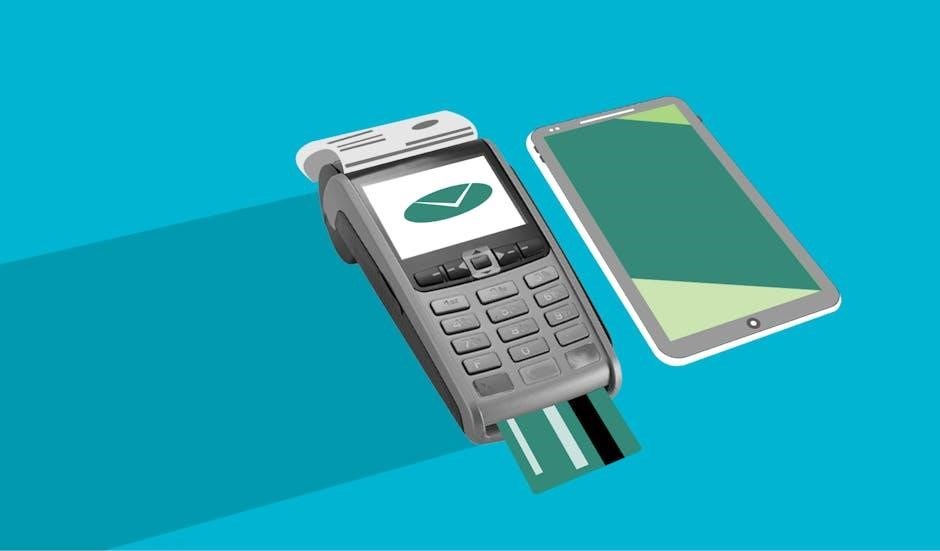
Learn how to efficiently process payments with the FD150, covering swiping, EMV chip insertion, contactless NFC, and manual card entry—detailed in the PDF․
Swiping Credit Cards
To initiate a swiped transaction, clearly instruct the customer to slide the magnetic stripe of their credit or debit card through the card reader․ Ensure the stripe is facing the correct direction, typically downwards, and with a smooth, consistent motion․ The FD150 terminal’s display will prompt you to confirm the amount and proceed․ A successful swipe will quickly transmit the card data for authorization․
If the swipe fails on the first attempt, gently try again, ensuring proper card orientation and speed․ Repeated failures may indicate a damaged magnetic stripe, requiring an alternative payment method like chip insertion or contactless payment․ The manual PDF provides detailed diagrams illustrating the correct swiping technique for optimal results and troubleshooting tips for common swipe errors․
Inserting EMV Chip Cards
For EMV chip card transactions, instruct the customer to insert their card into the chip reader slot on the FD150 terminal․ The card should be inserted chip-first, facing upwards․ Do not attempt to force the card; it should slide in smoothly․ The terminal will then initiate the EMV process, prompting the customer to verify the transaction, often with a PIN․
Keep the card inserted until the transaction is complete, as removing it prematurely can cause an error․ The FD150 manual PDF details the EMV process, including potential error messages and troubleshooting steps․ Successful chip insertion provides enhanced security against fraud, protecting both the merchant and the customer․
Contactless Payments (NFC)
The FD150 terminal supports contactless payments using Near Field Communication (NFC) technology․ Customers can simply tap their contactless card or mobile device (like Apple Pay or Google Pay) near the designated NFC symbol on the terminal․ A successful read will be indicated by a visual or audible confirmation․
Ensure the customer holds their device or card close to the terminal, but not directly touching it, for optimal performance․ The FD150 manual PDF provides detailed instructions on NFC payment processing, including transaction limits and troubleshooting common issues․ Contactless payments offer a fast and secure checkout experience․
Manual Entry of Card Details
The FD150 terminal allows for manual card entry when a card cannot be swiped, chipped, or tapped․ This feature requires entering the 16-digit card number, expiration date, and CVV code directly into the terminal using the keypad․
The FD150 manual PDF details the precise steps for manual entry, emphasizing accuracy to avoid transaction declines․ This method should be used cautiously, as it increases the risk of errors and potential fraud; Always verify the entered information with the customer before finalizing the transaction․
Understanding the Display and Buttons
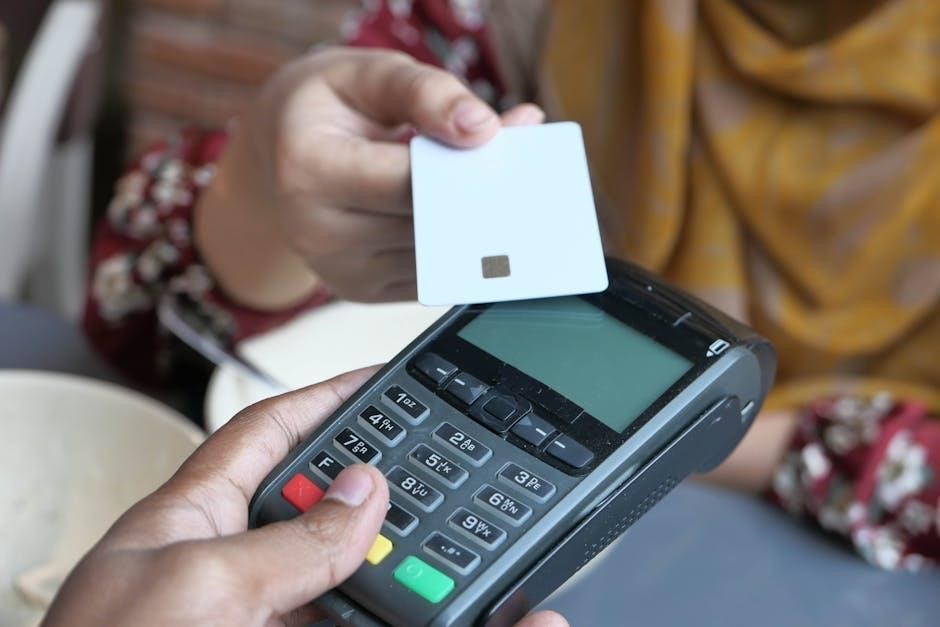
Explore the FD150’s interface: learn to interpret the display screen and master each button’s function for efficient navigation and transaction management, as detailed in the PDF․
Display Screen Overview
The FD150’s display screen provides crucial information during all transaction phases․ Typically, it showcases the amount due, cardholder name (partially masked for security), and transaction status messages․ Icons indicate card type accepted – swipe, chip, or contactless․ A clear, backlit LCD ensures visibility in varied lighting conditions․
Menu options are presented logically, allowing easy access to reporting, voiding, and settings․ Error messages are displayed concisely, guiding users toward solutions․ The screen also confirms successful transactions with authorization codes and timestamps․ Refer to the manual’s diagrams for specific icon definitions and screen layouts, ensuring optimal understanding of the terminal’s visual interface․
Function of Each Button
The FD150 terminal features a user-friendly button layout designed for efficient operation․ The ‘Enter’ button confirms selections and initiates processes․ ‘Cancel’ halts current actions and returns to the previous screen․ ‘Void’ allows transaction cancellation (with appropriate permissions)․ ‘Refund’ processes customer refunds, requiring manager authorization․
Numeric keys facilitate manual card entry and amount adjustments․ ‘Clear’ erases input, while ‘Shift’ accesses secondary functions printed above certain keys․ The ‘Report’ button generates sales data summaries․ Consult the manual’s detailed button map for precise functionality and potential combinations, maximizing your control over the terminal․
Navigating the Menu System
The FD150’s menu system is intuitively structured for easy access to various functions․ Utilize the arrow buttons to scroll through main menu options like ‘Transactions,’ ‘Reports,’ and ‘Settings․’ Press ‘Enter’ to select a desired category․ Within each category, further submenus appear, navigated similarly with arrow keys and ‘Enter’ confirmation․
The ‘Back’ or ‘Cancel’ button typically returns to the previous menu level․ Detailed menu maps within the PDF manual illustrate the hierarchical structure, aiding quick location of specific settings․ Familiarize yourself with the menu flow to efficiently manage terminal operations and customize preferences․

Troubleshooting Common Issues
Resolve frequent problems like card read failures, communication errors, or terminal freezes using the manual’s diagnostic steps and solutions for optimal performance․
Card Read Errors
Encountering difficulties reading cards is a common issue․ The FD150 manual provides detailed troubleshooting steps․ First, ensure the card is inserted or presented correctly – swiping direction or proper chip insertion․ Clean the card reader slot with a soft, dry cloth to remove any debris․ Verify the card is not damaged or expired․
If errors persist, consult the manual’s section on error codes; these pinpoint the specific problem․ It details potential magnetic stripe issues or EMV chip malfunctions․ The manual also advises checking for interference from nearby electronic devices․ Finally, a factory reset, as outlined in the manual, can sometimes resolve persistent read errors, restoring optimal functionality․
Communication Errors
Addressing communication issues is crucial for smooth transactions․ The FD150 manual details troubleshooting steps for Ethernet and Wi-Fi connections․ First, verify the physical connection – ensure cables are securely plugged in․ For Wi-Fi, confirm the correct network name and password are entered․ Check the terminal’s network settings, as outlined in the manual, to confirm proper IP address configuration․
If problems continue, the manual suggests testing the connection with another device․ It also provides instructions for pinging the terminal to assess network responsiveness․ Consult the manual’s error code section for specific diagnostic information․ A reboot of both the terminal and the network equipment can often resolve intermittent connectivity problems․
Terminal Freezing or Crashing
Encountering a frozen or crashing FD150 terminal disrupts business․ The manual outlines a soft reset procedure – a simple reboot – as the first troubleshooting step․ If the terminal remains unresponsive, a forced restart may be necessary, detailed with specific button combinations in the manual․ Regularly updating the terminal’s firmware, as described within the PDF, minimizes software glitches that cause instability․
The manual advises checking for sufficient memory and storage space, as low resources can lead to crashes․ It also suggests reviewing recent transaction logs for potential error patterns․ If issues persist, contact technical support, referencing the error messages displayed on the screen, as detailed in the manual’s appendix․
Advanced Features and Settings
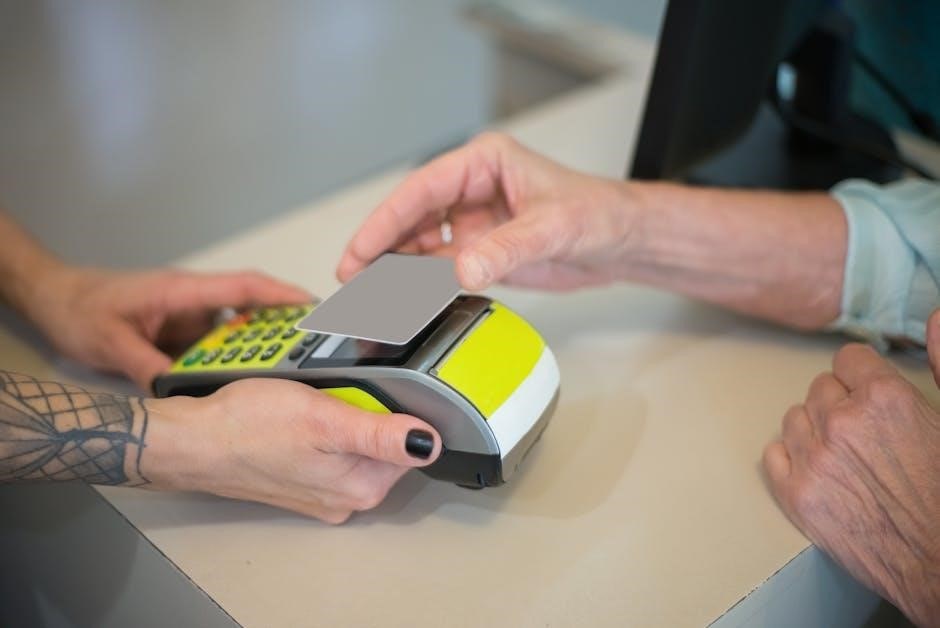
Explore detailed reporting options, transaction voiding/refund procedures, and customizable terminal settings—all comprehensively explained within the FD150 manual PDF for optimal control․
Reporting and Sales Data
Accessing and interpreting sales reports is crucial for business management․ The FD150 terminal, as detailed in its manual PDF, offers robust reporting capabilities․ Users can generate daily, weekly, or monthly sales summaries, providing valuable insights into transaction volumes and revenue streams․
The manual explains how to customize reports to filter data by payment type (credit, debit, contactless) or specific time periods․ Detailed transaction logs are also available, offering a complete audit trail․ Furthermore, the PDF guide illustrates how to export sales data for integration with accounting software, streamlining financial processes and ensuring accurate record-keeping․ Understanding these features empowers merchants to make informed business decisions․
Voiding and Refunding Transactions
The FD150 terminal’s manual PDF provides clear instructions on handling incorrect or disputed transactions․ Voiding allows cancellation of a transaction before it’s fully settled, while refunds return funds to the customer’s card after settlement․ The manual details specific authorization levels required for each process, ensuring security and preventing unauthorized actions․
Step-by-step guides within the PDF explain how to initiate voids and refunds directly on the terminal․ It also clarifies the time limitations for both actions, as dictated by payment network rules․ Proper documentation of voids and refunds is emphasized, alongside guidance on generating related reports for reconciliation and audit purposes․
Programming Terminal Settings
The FD150 credit card terminal manual PDF details comprehensive customization options․ Users can adjust settings like date and time, printer configurations, and communication parameters to optimize performance․ The manual guides administrators through modifying merchant information, including business name and address, ensuring accurate transaction records․
Advanced settings, explained within the PDF, cover features like automatic disconnection times, receipt formatting, and tip adjustment options․ Secure access codes are required to prevent unauthorized changes․ Detailed instructions are provided for updating terminal software and configuring network connections, guaranteeing smooth operation and compliance with industry standards․
Security and Compliance
Ensure PCI DSS adherence with the FD150, safeguarding sensitive cardholder data through encryption, secure protocols, and physical terminal protection—detailed in the manual․
PCI Compliance Requirements
Maintaining PCI DSS compliance is crucial when utilizing the FD150 credit card terminal․ The manual provides detailed guidance on adhering to these standards, covering aspects like secure network configuration, cardholder data protection, vulnerability management, access control measures, and regular network monitoring․
Specifically, the manual outlines requirements for encrypting transmission of cardholder data, implementing strong access controls to the terminal and its associated systems, and regularly updating the terminal’s software to patch security vulnerabilities․ It also emphasizes the importance of maintaining a secure physical environment for the terminal to prevent unauthorized access and tampering․
Failure to comply with PCI DSS can result in fines and reputational damage, so diligent adherence to the guidelines within the FD150 manual is paramount for all merchants․
Protecting Customer Data
The FD150 manual emphasizes robust customer data protection protocols․ It details procedures for handling sensitive cardholder information securely, minimizing data storage, and employing encryption techniques during transmission․ Merchants are instructed to avoid storing sensitive authentication data after authorization․
The guide stresses the importance of regularly reviewing transaction logs for suspicious activity and implementing strong password policies for terminal access․ It also advises against writing down PINs or CVV codes and educating staff on data security best practices․
Properly securing the terminal physically and logically, as outlined in the manual, is vital to prevent unauthorized access to customer data and maintain trust․
Physical Security of the Terminal
The FD150 manual highlights the critical need for physical terminal security․ It advises merchants to position the device in a well-lit, visible location, deterring potential tampering or theft․ Secure mounting options are recommended to prevent the terminal from being easily moved․
Regularly inspect the terminal for any signs of physical compromise, such as altered components or suspicious attachments․ The manual stresses limiting physical access to authorized personnel only, implementing key controls or secure rooms where appropriate․
Protecting the terminal from environmental hazards and ensuring its integrity are paramount for maintaining data security and preventing fraudulent activity․

Downloading the FD150 Manual PDF
Access the official FD150 manual PDF through the manufacturer’s website or trusted third-party sources, ensuring you have the most current version available․
Official Website and Download Links
Locating the official FD150 credit card terminal manual PDF is paramount for accurate information; Begin your search on the manufacturer’s official website; typically, a dedicated “Support” or “Downloads” section houses these resources․ Look for a clearly labeled link for “FD150 Manual” or “User Guide․” Ensure the website address is legitimate to avoid potential security risks․
Direct download links are often provided in PDF format, allowing for easy access and offline viewing․ If the official website proves difficult to navigate, utilize search engines with specific keywords like “FD150 manual PDF download․” Always verify the source before downloading to guarantee a safe and reliable file․ Regularly check for updates, as manufacturers often release revised manuals․
Alternative Sources for the Manual
Should the official website be inaccessible or the manual unavailable, several alternative sources can prove helpful․ Reputable online documentation archives and forums dedicated to point-of-sale (POS) systems often host user-uploaded manuals․ However, exercise caution when downloading from these sources, verifying file integrity with antivirus software․
Third-party POS equipment suppliers may also offer downloadable manuals on their websites․ Check online communities and retailer support pages․ Remember to cross-reference information with the official manufacturer’s specifications whenever possible to ensure accuracy․ Prioritize sources with positive user reviews and a history of providing reliable documentation․
Ensuring You Have the Latest Version
Regularly checking for updates to the FD150 manual PDF is crucial, as manufacturers frequently release revisions to address new features, security enhancements, or clarified instructions․ The official website typically displays the latest version number and a modification date․ Compare this information to your downloaded copy to confirm you have the most current documentation․
Subscribing to the manufacturer’s newsletter or checking their support page can provide notifications about manual updates․ Outdated manuals may contain inaccurate information, potentially leading to operational errors or security vulnerabilities․ Always prioritize using the latest version for optimal performance and compliance․
Maintenance and Care
Proper cleaning, paper roll changes, and—if applicable—battery maintenance are vital for extending the FD150 terminal’s lifespan and ensuring reliable performance․
Cleaning the Terminal
Regular cleaning maintains the FD150’s hygiene and operational efficiency․ Always disconnect the terminal from its power source before cleaning․ Use a soft, dry, lint-free cloth to wipe down the exterior surfaces․ Avoid abrasive cleaners or excessive moisture, as these can damage the device․ Pay particular attention to the card reader slot and the display screen, gently removing any dust or debris․ For stubborn marks, lightly dampen the cloth with water, ensuring it’s not dripping wet․ Never spray liquids directly onto the terminal․ Clean the printer area periodically to prevent paper jams and ensure clear receipt printing․ Consistent cleaning contributes to a longer lifespan and reliable performance of your FD150 terminal․
Paper Roll Replacement
To replace the paper roll in your FD150 terminal, begin by locating the printer compartment, usually accessed via a latch or button․ Open the compartment and remove the existing paper roll, if any․ Insert a new, compatible thermal paper roll, ensuring the leading edge is positioned correctly as indicated by the diagram inside the compartment․ Thread the paper through the designated path and close the compartment securely․ The terminal should automatically detect the new roll․ If prompted, initiate a self-test print to confirm proper installation and paper feed․ Always use approved paper rolls to avoid damaging the printer mechanism and maintain receipt clarity․
Battery Maintenance (if applicable)
If your FD150 terminal utilizes a battery, proper maintenance is crucial for optimal performance․ Avoid exposing the battery to extreme temperatures, as this can reduce its lifespan and capacity․ Regularly check the battery’s charge level and recharge it promptly when low, using only the provided power adapter․ Do not leave the terminal plugged in continuously after a full charge, as this can contribute to battery degradation․ Store the terminal in a cool, dry place when not in use for extended periods to preserve battery health․ Replace the battery with an approved model when necessary․

FD150 Terminal Specifications
Explore detailed technical specifications, supported card types, and physical dimensions of the FD150 terminal, ensuring compatibility and understanding its operational capabilities․
Technical Specifications
The FD150 credit card terminal boasts robust technical specifications designed for reliable performance․ It typically features a high-speed processor ensuring swift transaction times and a user-friendly interface․ Connectivity options generally include Ethernet and Wi-Fi, facilitating seamless integration into existing network infrastructures․ The terminal supports various communication protocols for secure data transmission․
Its memory capacity allows for storing transaction data and software updates․ Power requirements are standard, often utilizing a universal power adapter․ The FD150 is built with durable materials to withstand daily use․ Detailed specifications, including exact processor speed, memory size, and power input, are comprehensively outlined within the official FD150 manual PDF․
Supported Card Types
The FD150 credit card terminal is engineered for broad payment acceptance, supporting a wide array of card types․ It reliably processes magnetic stripe cards, ensuring compatibility with older payment methods․ Crucially, it’s equipped for EMV chip card transactions, enhancing security and reducing fraud․ Contactless payments via NFC (Near Field Communication) are also seamlessly supported, accommodating mobile wallets like Apple Pay and Google Pay․
The FD150 manual PDF details specific card brands accepted, including Visa, Mastercard, American Express, and Discover․ It also clarifies support for regional card schemes․ Regularly checking the manual ensures compatibility with newly issued card technologies and standards․
Dimensions and Weight
Understanding the physical specifications of the FD150 terminal is vital for placement and portability․ The FD150 manual PDF provides precise dimensions, typically outlining a compact footprint designed for countertop use․ Expect measurements detailed in inches or millimeters for length, width, and height, aiding in space planning․
Weight is also specified, usually in pounds or kilograms, influencing ease of movement and mounting options․ This information is crucial for businesses requiring mobile payment solutions or frequent terminal relocation․ The manual ensures accurate data for logistical considerations and accessory compatibility․
No Responses